Unleashing the Red Decorative Monster: The Chinese Dragon Font
When you first encounter Chinese Dragon. Red Decorative Monster C, it doesn’t whisper; it roars. This isn't just another typeface sitting quietly in your library; it is a visual declaration. Designed for high-impact scenarios, this font captures the mythical essence of the Eastern dragon, blending intricate detailing with a bold, aggressive silhouette. It is a premium font that steps away from the safe, neutral territory of standard sans serif font families and embraces a personality that is impossible to ignore. For designers, entrepreneurs, and content creators, understanding how to wield this specific design asset is key to unlocking its potential for powerful visual storytelling.
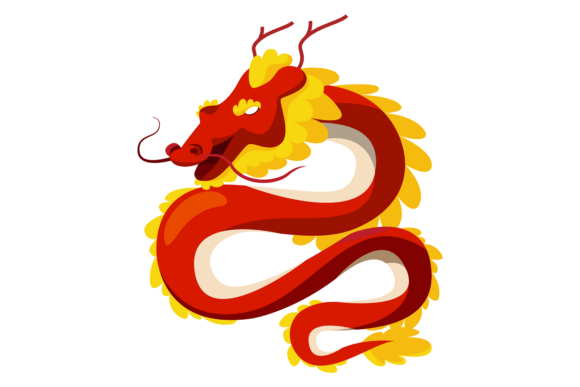
The visual DNA of this typeface is built on a foundation of ornamental complexity. It features sharp, serpentine curves and heavy strokes that mimic the flowing movement of a dragon in flight. Unlike a standard serif font that relies on small structural details for elegance, Chinese Dragon. Red Decorative Monster C uses intricate decorative elements to create texture and depth. The "Red Decorative Monster" aspect of its name suggests a color palette—vibrant crimsons and golds—but the structure itself implies movement and power. It is a display font at heart, meaning it is crafted for headlines and logos rather than body text. Its visual appeal lies in its ability to instantly transport the viewer into a world of fantasy, tradition, or high-energy excitement.
Where Myth Meets Market: Strategic Applications
The versatility of Chinese Dragon. Red Decorative Monster C is surprising given its niche aesthetic. While it is an obvious choice for projects related to Lunar New Year celebrations, martial arts academies, or Asian fusion cuisine, its utility extends far beyond these themes. In logo design, this font works exceptionally well for brands that want to project strength, resilience, or a rebellious spirit. Think of a craft brewery looking for a vintage vibe or a gaming startup needing a mascot-style wordmark. The font’s heavy visual weight ensures that it anchors any composition, making it a strong candidate for branding materials where immediate recognition is the priority.
In the realm of packaging design, the font shines when used on labels that need to pop on a crowded shelf. Because it is a creative font, it eliminates the need for excessive illustration; the typography itself becomes the art. For publishers and editorial designers, Chinese Dragon. Red Decorative Monster C is a secret weapon for book covers in the fantasy, thriller, or historical fiction genres. It sets the tone instantly. Similarly, in web design and social media graphics, this typeface can stop the scroll. A bold hero image featuring this font can communicate an event’s energy or a sale’s urgency much faster than a standard modern typography approach.
The Psychology of Power: Influence on Brand Perception
Typography is rarely just about legibility; it is about psychology. Choosing Chinese Dragon. Red Decorative Monster C sends a specific signal to your audience. It suggests that your brand is confident, culturally aware, and perhaps a bit daring. In brand identity, consistency is king, but distinctiveness is the castle. Using this typeface for headers or accent text creates a visual hierarchy that guides the reader’s eye exactly where you want it. It tells the viewer, "Look here—this is important."
However, this power comes with a responsibility regarding readability. As a highly stylized display font, it is not suited for long paragraphs. If you force your audience to read a 500-word blog post in this style, engagement will plummet. Instead, the influence on audience engagement is maximized when the font is used strategically for impact—think H1 tags, pull quotes, or merchandise—while relying on a clean, legible sans serif font or serif font for the actual content. This contrast creates a professional balance, ensuring your brand identity feels both exciting and accessible.
Practical Guidance for Implementation
Integrating Chinese Dragon. Red Decorative Monster C into your workflow requires a thoughtful approach. Here are practical steps to ensure you get the most out of this commercial font:
- Evaluate the Fit: Before purchasing or downloading, map out your project. Is the tone serious, playful, or aggressive? If your project requires a minimalist or corporate feel, this font may clash. It is best suited for projects requiring high energy or cultural flair.
- Master the Pairing: Font pairing is critical here. Because the display font is so detailed, pair it with something simple. A geometric sans serif font works beautifully for subtitles and body copy. Avoid pairing it with other script or handwritten fonts, as this will create visual chaos.
- Check the Licensing: If you are a small business owner or entrepreneur, ensure you have the correct commercial license. Using a decorative font for a client project or merchandise without the proper license can lead to legal headaches. Always review the terms for digital and print usage.
- Test for Scalability: Download a trial version if available and test how the font renders at different sizes. Chinese Dragon. Red Decorative Monster C likely features fine details that may get lost at very small sizes (like footnotes) but look stunning on large-format prints like banners or posters.
From Digital to Physical: The Final Verdict
Ultimately, Chinese Dragon. Red Decorative Monster C is more than just a collection of vectors; it is a design asset that carries cultural weight and aesthetic intensity. Whether you are designing a t-shirt line, creating a header for a fantasy blog, or developing a logo for a new restaurant, this font offers a distinct voice. It bridges the gap between traditional imagery and modern typography, providing a tool that feels both timeless and edgy. By respecting its nature as a display typeface and pairing it with complementary, legible fonts, you can harness its "monster" appeal to create professional, engaging, and memorable designs.